

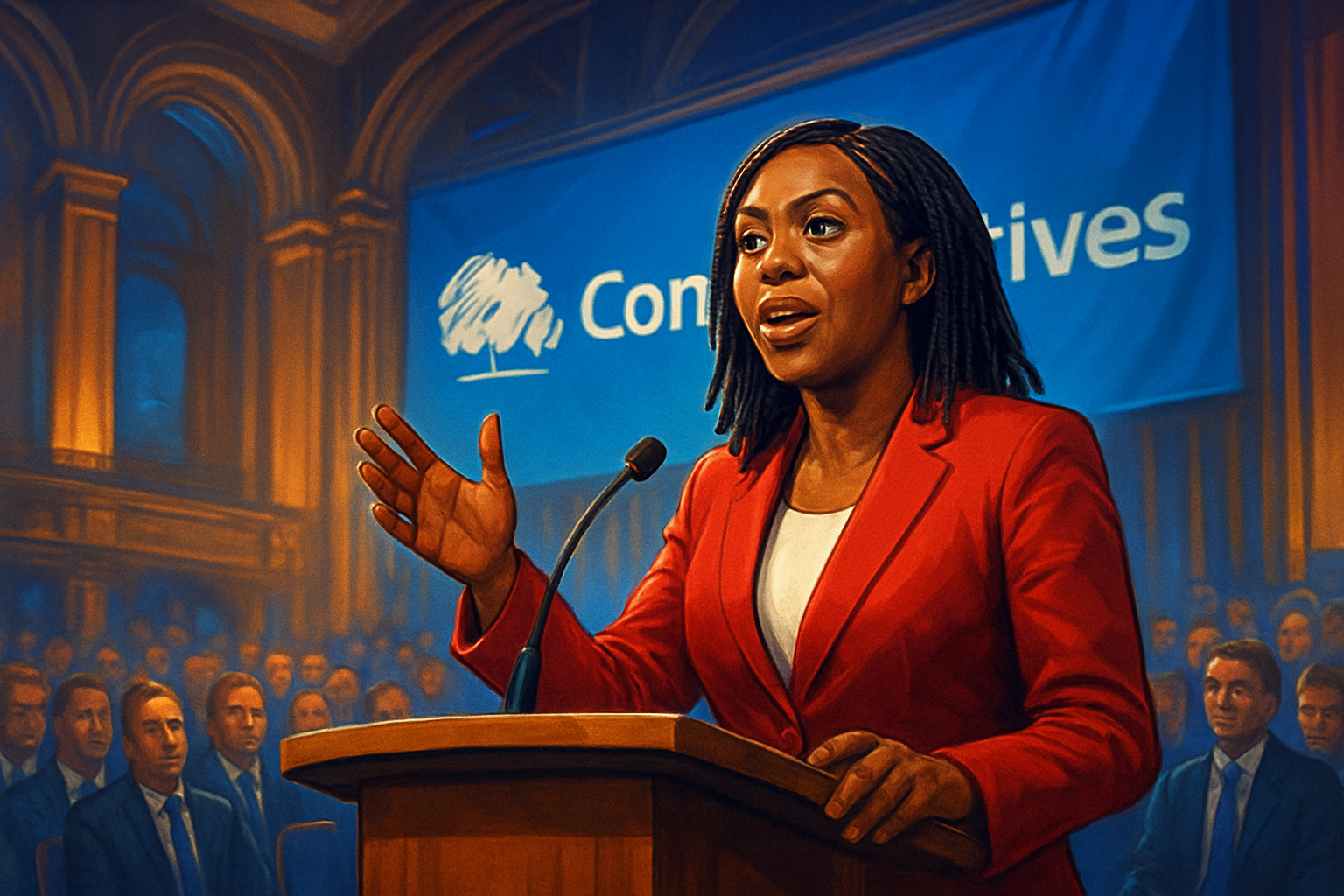
Opening the Final Day with a Bold Vision
The Conservative Party wrapped up its annual conference with a high‑profile address from BBC report on speech by Kemi Badenoch, the party’s new leader of the House of Commons. Delivered on the conference’s final day, her remarks were framed as a “battle of ideas” that would shape the next chapter of British politics. The event, covered live by several outlets, highlighted the party’s push to re‑energise its base while appealing to undecided voters ahead of the next general election.
Setting the Stage: Why Badenoch’s Words Matter
As the Guardian live coverage noted, the Tory conference is traditionally a platform for policy launches and party unity. This year, however, the stakes were higher: the Conservatives are grappling with internal divisions over Brexit legacy, cost‑of‑living pressures, and a resurgent Labour opposition. Badenoch’s speech was therefore seen as a litmus test for the party’s strategic direction.
Key Themes from the Speech
- Economic Freedom: Badenoch championed lower taxes and deregulation, arguing that “Britain’s future prosperity hinges on giving entrepreneurs the space to innovate.”
- National Security: She pledged a “tough stance on crime and terrorism,” linking domestic safety to the UK’s global standing.
- Education Reform: The minister called for more school autonomy and a curriculum that equips young people with practical skills for a digital economy.
- Energy Independence: Highlighting the need for “home‑grown power solutions,” she urged investment in nuclear and renewable projects to reduce reliance on foreign energy.
These pillars echo the narrative presented in the BBC analysis of ideas, which framed the speech as a direct challenge to Labour’s “green‑growth” agenda. By positioning the Conservatives as the party of pragmatic, market‑led solutions, Badenoch aimed to capture the centre‑right voter who feels alienated by both extremes.
Reactions from the Political Landscape
Within the party, senior figures applauded the clarity of the message. The Financial Times coverage highlighted the speech’s potential to rally the “Red Wall” constituencies that swung to Labour in 2019. Critics, however, warned that the emphasis on tax cuts could alienate voters concerned about public services.
Opposition leaders responded swiftly. Labour’s spokesperson dismissed the proposals as “short‑term populism” while Labour’s policy chief argued that the Conservatives were ignoring the climate emergency. Meanwhile, the Liberal Democrats praised the focus on education but called for a more ambitious green agenda.
What This Means for the Upcoming Election
Political analysts see Badenoch’s address as a strategic move to sharpen the Conservatives’ messaging ahead of the next general election, likely due by 2027. By foregrounding economic freedom and national security, the party hopes to reclaim voters who drifted towards Labour over concerns about austerity and public‑service funding.
In the weeks following the conference, opinion polls showed a modest uptick for the Conservatives, suggesting that the “battle of ideas” narrative resonated with a segment of the electorate. However, as the Guardian live coverage noted, the Conservatives still face internal pressure from Eurosceptic and socially‑conservative factions who demand a harder line on immigration and cultural issues. Balancing these competing demands while maintaining a broad‑based appeal will be the party’s biggest challenge.
Conclusion: A Defining Moment or a Temporary Boost?
Kemi Badenoch’s speech has undeniably set the tone for the Conservative Party’s post‑conference strategy. By articulating a clear set of policy priorities and framing them as a “battle of ideas,” she has positioned the party to compete more aggressively on the ideological front. Whether this translates into electoral success will depend on the Conservatives’ ability to deliver on these promises and navigate the complex landscape of voter expectations.
