

Introduction
The fashion world is one of the most dynamic and expressive parts of modern culture. It reflects how people live, what they value, and how societies change over time. Clothing is no longer just a basic need; it has become a powerful form of identity and communication. From everyday street outfits to luxury runway collections, fashion continues to influence how individuals present themselves to the world.
In recent years, the fashion world has expanded beyond traditional boundaries. Digital media, global connectivity, and cultural exchange have reshaped how trends are created and followed. This article explores the key forces shaping modern style and how fashion continues to evolve in today’s world.
The Modern Fashion Landscape
The fashion industry today is far more complex and interconnected than ever before. It is driven by designers, brands, influencers, and consumers who all play an active role in shaping trends. What was once controlled mainly by fashion houses in cities like Paris, Milan, and New York is now influenced by social media platforms and global audiences.
Instead, it operates in a constant cycle where new styles appear quickly and spread across cultures within days. This fast-paced environment has changed how people view clothing, making fashion more accessible but also more competitive.
At the same time, traditional craftsmanship still holds value. Many designers continue to blend modern creativity with cultural heritage, creating unique styles that honor the past while embracing the future.
Street Style and Everyday Influence
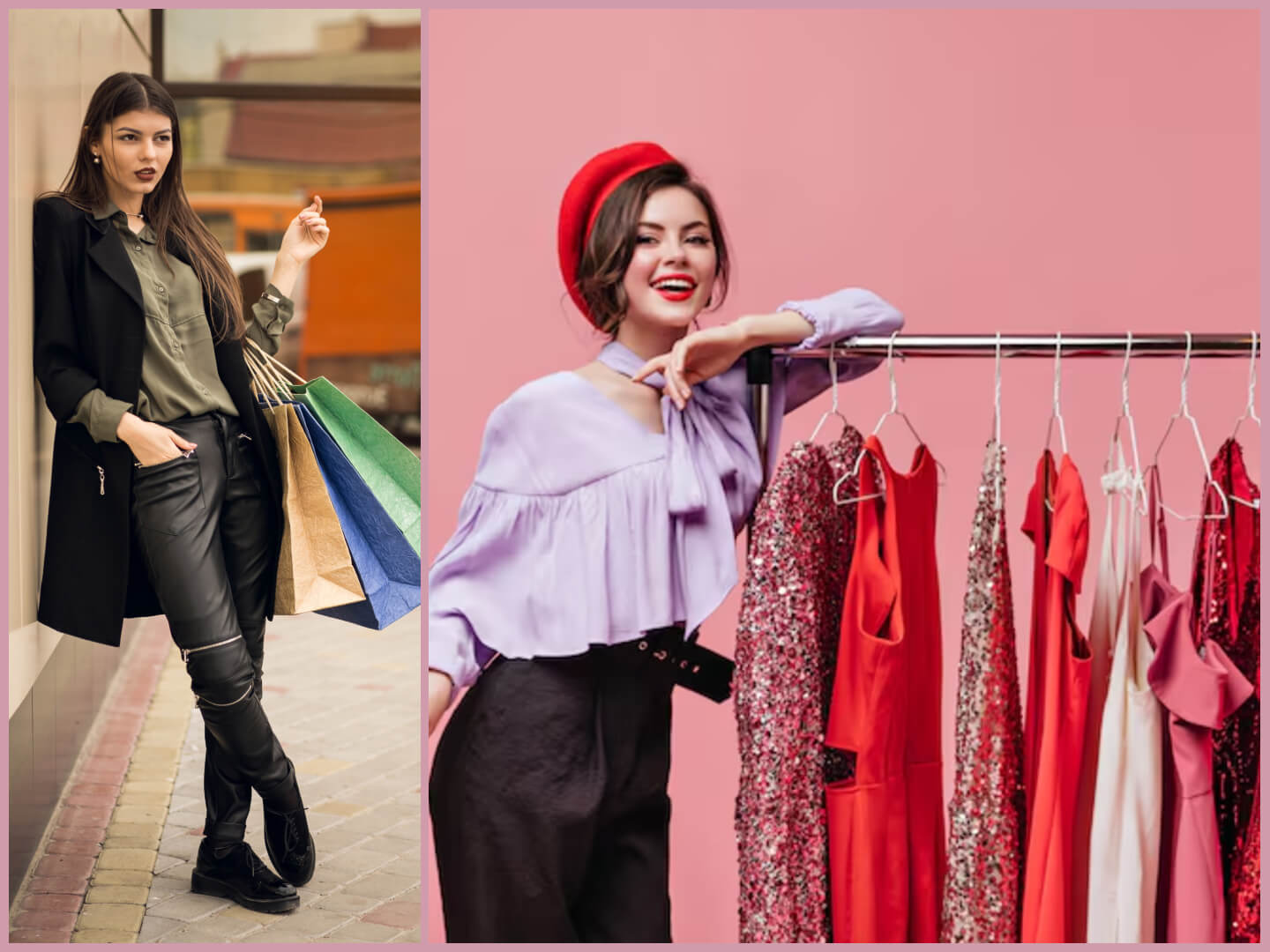
One of the most noticeable shifts in modern fashion is the rise of street style. Everyday clothing worn by ordinary people has become a major source of inspiration for designers. Comfortable, practical, and expressive outfits now dominate urban fashion scenes around the world.
Street style reflects individuality. People mix casual wear with luxury pieces, creating looks that feel personal rather than strictly defined by trends. This blending of high fashion and casual clothing has reshaped the industry, making it more inclusive and relatable.
Fashion weeks and runway shows now often feature designs inspired by real street fashion. This connection between everyday life and high fashion continues to grow stronger, showing that style is not limited to elite spaces.
Sustainability and Conscious Fashion
In recent years, sustainability has become a major focus in the fashion world. Concerns about environmental damage and unethical production practices have led to a shift in how clothing is made and consumed.
Many brands are now focusing on eco-friendly materials, responsible sourcing, and reducing waste. Consumers are also becoming more aware of their choices, often preferring quality over quantity. This change has encouraged the growth of slow fashion, where clothing is designed to last longer and have less environmental impact.
Sustainable fashion is not just a trend but a necessary transformation. It reflects a growing awareness that fashion should not harm the planet or exploit workers. This movement continues to gain momentum as more people demand transparency and responsibility from brands.
Digital Influence and Social Media
Social media has completely changed how fashion trends spread. Platforms like Instagram and TikTok have become powerful tools for discovering new styles and influencers. A single post can turn an unknown outfit into a global trend within hours.
Influencers now play a significant role in shaping fashion preferences. Their personal style often reaches millions of followers, making them important figures in the industry. Unlike traditional fashion advertising, social media creates a more personal and direct connection between creators and audiences.
Virtual clothing, online fashion shows, and augmented reality try ons are changing how people experience style. These innovations suggest that the future of fashion will be deeply connected to technology.
Cultural Diversity in Fashion
Fashion has always been influenced by culture, but globalization has made this connection even stronger. Designers now draw inspiration from different parts of the world, blending traditional elements with modern aesthetics.
Cultural patterns, fabrics, and techniques are being incorporated into mainstream fashion. This fusion creates unique styles that celebrate diversity and creativity. However, it also raises discussions about cultural respect and authenticity, encouraging the industry to be more mindful of representation.
Modern fashion is becoming a global dialogue where different traditions influence each other.
Luxury and Fast Fashion
The contrast between luxury fashion and fast fashion is one of the defining aspects of the modern industry. Luxury fashion focuses on craftsmanship, exclusivity, and high-quality materials. These brands often set long-term trends and maintain a strong identity.
Fast fashion, on the other hand, focuses on speed and affordability. It allows consumers to access trendy clothing quickly and at lower prices. While this model has made fashion more accessible, it has also raised concerns about sustainability and ethical production.
Many are beginning to choose brands that align with their values, whether that means supporting luxury craftsmanship or sustainable alternatives.
Technology and the Future of Fashion
Technology is shaping the future of fashion in unexpected ways. Artificial intelligence is being used to predict trends, design clothing, and personalize shopping experiences. Virtual reality is allowing people to attend fashion shows without being physically present.
3D printing is also being explored for creating custom clothing with minimal waste. These advancements suggest that fashion will become more personalized and efficient in the coming years.
The future of fashion is likely to be a blend of creativity and technology. Designers will continue to experiment with new tools while maintaining the artistic essence of style.
Conclusion
The fashion world is constantly evolving, influenced by culture, technology, and social change. Modern style is no longer defined by a single source but shaped by a global network of ideas and creativity.
From street fashion to luxury design, from sustainability to digital innovation, fashion continues to reflect the world we live in. It is both a personal expression and a cultural force that connects people across borders.
As trends continue to shift, one thing remains constant. Fashion will always be a way for people to express who they are and how they see the world.
Read more: Liverpool Transfer News: What’s Really Happening This Summer
FAQs
Fashion reflects more than clothing choices. It represents identity, culture, and personal expression. Every outfit tells a story about lifestyle and personality.
Modern fashion trends are shaped by social media, cultural exchange, and global designers. Influencers and digital platforms also play a major role in spreading new styles.
Sustainable fashion focuses on reducing environmental harm and promoting ethical production. It encourages long lasting clothing and responsible consumption.
Street style has become important because it reflects real life fashion. Designers often take inspiration from everyday outfits seen in cities around the world.
Technology is changing fashion through digital design, virtual clothing, and AI based trend prediction. It is making fashion more innovative and personalized.
