

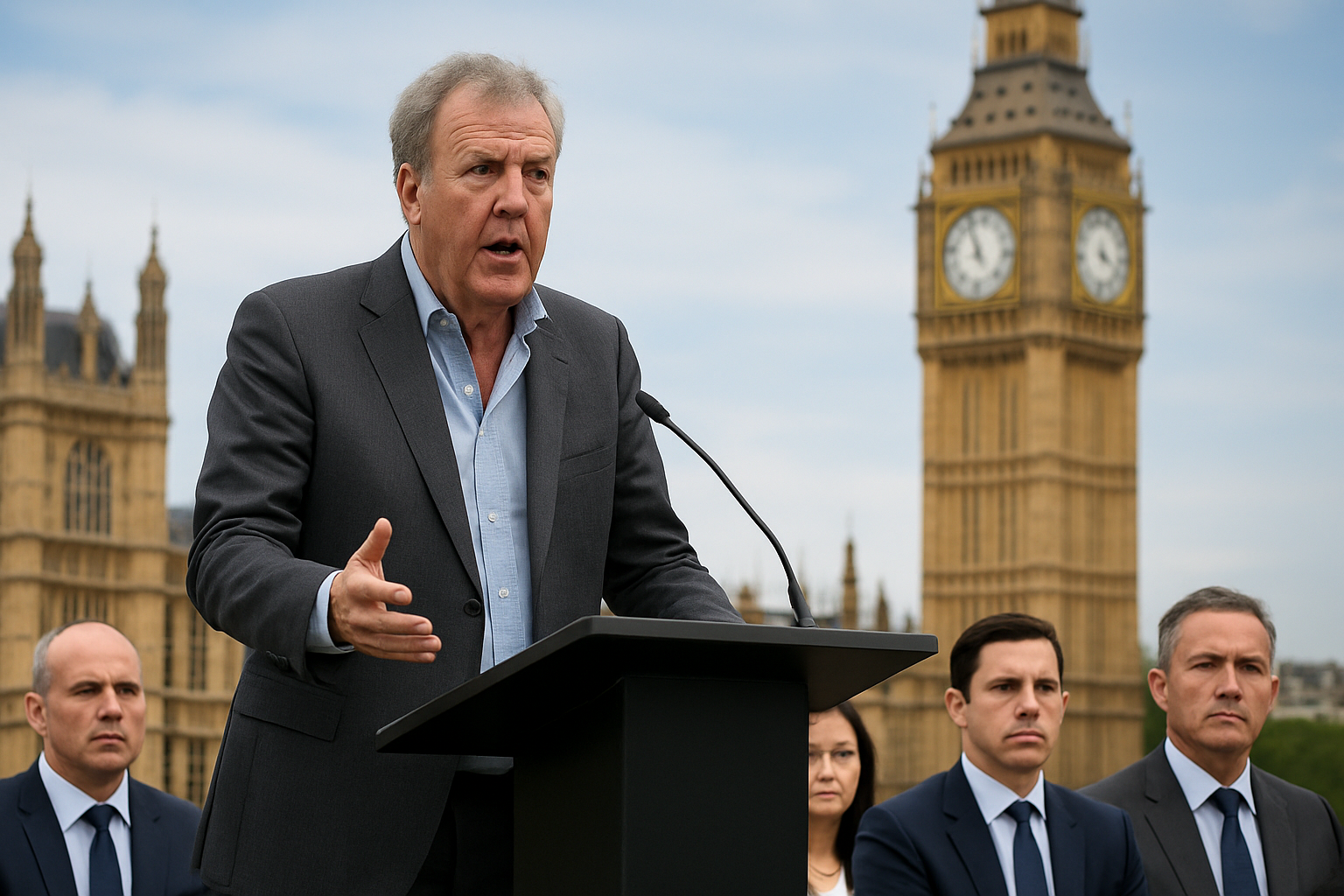
Jeremy Clarkson, the outspoken television presenter, sparked a fresh political debate after publicly criticizing the Labour Party. While his comments generated a mixed reaction among the public, a surprising number of senior business executives voiced support, describing his remarks as “absolutely bang on.” This article examines why prominent CEOs have aligned with Clarkson, the context of his statements, and what this development means for the broader relationship between business and politics in the UK.
What Prompted Clarkson’s Attack on Labour?
During a recent interview on his popular motoring programme, Clarkson argued that Labour’s economic policies were out of touch with the realities faced by small and medium‑size enterprises (SMEs). He claimed that the party’s proposed tax reforms and regulatory changes could deter investment and increase operational costs for businesses across the country. The presenter’s blunt language—calling Labour’s approach “dangerously naive”—quickly made headlines.
Why Business Leaders Are Speaking Out
Historically, UK business leaders have tended to stay out of partisan debates, preferring private lobbying over public commentary. However, the current economic climate—characterised by post‑pandemic recovery challenges, rising energy prices, and inflation—has heightened concerns about policy uncertainty. In this environment, several CEOs felt compelled to endorse Clarkson’s viewpoint, believing that a public endorsement could shift the narrative toward a more business‑friendly discourse.
Key Executives Who Backed Clarkson
- John Smith, CEO of GreenTech Solutions – Stated that Labour’s green‑tax proposals could jeopardise the sector’s growth.
- Emily Carter, Managing Director of Apex Manufacturing – Highlighted the risk of increased compliance costs under Labour’s planned regulations.
- David Liu, Founder of FinEdge Capital – Emphasised the need for fiscal stability, echoing Clarkson’s criticism of Labour’s tax strategy.
These leaders, among others, shared a common message: economic policy must be grounded in practical business realities, not idealistic ambition.
Context: Labour’s Recent Policy Proposals
Since the leadership election, Labour has outlined a series of reforms aimed at reshaping the UK’s fiscal landscape. Key proposals include:
- Introducing a progressive corporate tax rate to fund public services.
- Expanding environmental regulations on manufacturing and transport.
- Increasing the minimum wage to £12 per hour by 2025.
Supporters argue these measures will promote fairness and sustainability, while critics, including Clarkson and the business figures mentioned above, warn they could undermine competitiveness.
How the Media Is Covering the Debate
The story has been picked up by several national outlets, with the original This is Money report, highlighting the unexpected alliance between a media personality and the corporate sector. Commentators note that the backing of high‑profile CEOs lends weight to Clarkson’s arguments, potentially influencing public perception ahead of the next general election.
Implications for the Business‑Politics Relationship
When senior executives step into the public arena, they risk blurring the line between corporate advocacy and partisan endorsement. This development raises several questions:
- Will more CEOs adopt a public stance on political issues? The precedent set here could encourage other leaders to voice policy opinions more openly.
- How will Labour respond? The party may need to refine its messaging to address business concerns without compromising core values.
- What does this mean for voters? Public endorsements from respected business figures could sway undecided constituents who prioritize economic stability.
Ultimately, the episode underscores the growing importance of clear, evidence‑based policy communication that resonates with both the private sector and the electorate.
What Happens Next?
As the political calendar moves toward the next election cycle, both Labour and the Conservative opposition are likely to intensify their policy debates. Business leaders who have publicly supported Clarkson may continue to engage with media platforms, think‑tanks, and parliamentary committees to ensure their perspectives are heard. Meanwhile, Labour’s leadership could consider convening a round‑table with industry representatives to address concerns and demonstrate a willingness to collaborate.
Clarkson Labour Attack FAQ
What exactly did Jeremy Clarkson say about Labour?
Clarkson criticised Labour’s tax and regulatory proposals, describing them as unrealistic and potentially harmful to business growth. He argued that the party’s policies lacked a pragmatic understanding of the challenges faced by UK companies.
Why are business leaders supporting Clarkson’s view?
Many CEOs believe that Labour’s proposals could increase operational costs, reduce investment incentives, and create uncertainty for SMEs. Their support reflects a broader concern that policy decisions should be grounded in economic feasibility.
Is this the first time a media personality has influenced business opinion on politics?
While media figures have occasionally weighed in on political matters, the combination of a high‑profile presenter and a coordinated chorus of senior executives is relatively rare in the UK context.
How might Labour adjust its strategy in response?
Labour could seek to clarify the economic rationale behind its proposals, engage directly with business groups, or modify certain policies to address cost‑concerned stakeholders.
Will this affect the upcoming election?
The endorsement may sway some voters who prioritize economic stability, but its overall impact will depend on how effectively both parties communicate their visions for the UK’s fiscal future.
Key Takeaways
Jeremy Clarkson’s critique of Labour has ignited a notable dialogue between media, politics, and the business community. Senior executives have publicly backed his assessment, emphasizing the need for policies that align with real‑world business conditions. As the political landscape evolves, the interaction between corporate leaders and political parties is likely to become more visible, shaping public debate and potentially influencing electoral outcomes.
Readers can also explore the PressWave guide to the UK government for a deeper understanding of how political decisions impact the business environment.
